Dusk Before the Crowd: Six Small-Town Christmas Switch-Ons Worth a Train Ticket in 2026
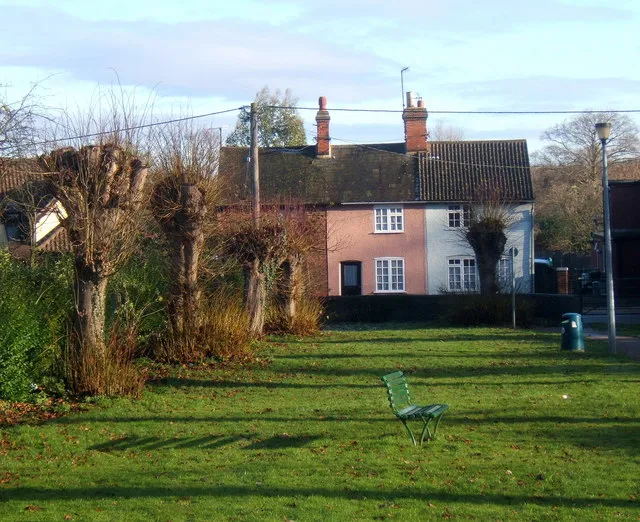
Photo: Andrew Hill, CC BY-SA 2.0, via Wikimedia Commons
There is a particular kind of Christmas lights moment that only happens in a small UK town. The crowd is three deep, not thirty. Someone’s choir is slightly out of time. A child on shoulders asks why the tree is still dark, and then the whole high street clicks on at once. Nobody has to queue for forty minutes to see it.
That is the appeal of the smaller switch-on. In 2026, the big city events will still be brilliant, but they will also be packed, pricey and hard to leave. A town with a station, a decent pub and a square small enough to cross in a minute can make a far better November weekend. You go for the lights, but you stay for the ordinary bits around them.
Why the smaller switch-on wins
A city centre switch-on is an event. A town switch-on is an evening. That difference matters when you are arriving by train and want to be back at a hotel before the last wave of traffic. Smaller towns tend to put the lights on close to the shops, the church and the pub, so you can drift between them without a plan. The market stalls are there if you want them, but they are not the whole point.
The trick is to treat the switch-on as the anchor, not the entire weekend. Arrive in the afternoon, watch the lights come on at dusk, eat somewhere warm, sleep locally and take a slow walk the next morning. It is a weekend break with a built-in focal point, and very little admin.
Beverley, East Yorkshire
Beverley is the sort of town that makes a train weekend feel easy. The station is a short walk from the centre, and the Minster gives you a proper landmark before you have even found the square. The switch-on usually centres on Saturday Market, with the kind of local turnout that feels like a town doing something for itself rather than for a visitor economy.
Get in around mid-afternoon, have a look round the Saturday Market and the streets behind it, then position yourself near the square for dusk. After the lights are on, walk back towards the Minster or find a pub off the main drag. Beverley has enough pubs and small restaurants to make an evening of it without needing a taxi. Stay overnight and use Sunday morning for the Westwood, the open common land on the edge of town, before a relaxed train home.
Lewes, East Sussex
Lewes does not really do bland. The town has a long history of dressing up, setting things alight and making a noise, so its Christmas lights evening has a bit more character than the average switch-on. The station is close to the centre, and the streets around the castle and the twittens are made for wandering before the lights go on.
Plan to arrive early enough to have a coffee and a look in the independent shops. The switch-on itself is compact, and the crowd is more local than coach-party. Afterwards, find a pub with a fire and something robust on the menu. Lewes is not a late-night town in the way Brighton is, which is exactly why it works as a weekend stay. Book a room in the centre if you can, then spend Sunday walking the streets you missed in the dark.
Hexham, Northumberland
Hexham has one of the best settings for a winter weekend in the north-east. The Abbey dominates the town, the station is on the Tyne Valley line, and the whole place feels like it has been built for people who like a bit of weather with their Christmas lights. The switch-on is a community affair rather than a tourism production, which means you get choirs, local stalls and a reasonable chance of standing next to someone who knows the mayor.
Arrive by mid-afternoon and head for the Abbey and the Sele. The lights come on as the light goes, and then you can retreat to a pub or a small restaurant. Hexham is well placed for a Sunday train ride along the Tyne Valley, so if the weather is clear, take a short hop to a nearby village before heading home. The town itself is compact enough that you never need a car.
Ludlow, Shropshire
Ludlow is a food town first and a Christmas lights town second, which is a very good order of priorities. The station sits below the town centre, so you get a short uphill walk into the medieval streets before you see a single fairy light. The switch-on tends to be centred on the market square, with the castle and the church framing the whole thing.
Because Ludlow is small, the evening does not need to be complicated. Watch the lights, have a wander, then eat somewhere that takes local produce seriously. Book ahead if you are going on a Saturday, because good rooms and good tables are limited. On Sunday, walk the streets around the castle and the market, then take the train back via Shrewsbury or Hereford depending on your route. It is a weekend that feels slower than the journey suggests.
Stamford, Lincolnshire
Stamford is almost unfairly good-looking in winter. The stone buildings go honey-coloured in the afternoon light, and the church spires make the whole town feel like a film set that happens to have a railway station. The switch-on is usually a modest affair in the market square, with local traders and a crowd that spills into the surrounding streets.
Arrive early enough to browse the independent shops and walk down to the meadows if the weather is dry. The lights come on at dusk, and then you have a choice of pubs and restaurants within a few minutes of the square. Stay in the centre if you can, because Stamford is a town for walking, not for driving between car parks. Sunday morning is for coffee, a last look at the stone streets and an easy train home.
Frome, Somerset
Frome has a reputation for independent shops and a slightly alternative outlook, and its Christmas lights evening fits that mood. The station is a ten-minute walk from the centre, though the centre itself is uphill, so pack light. Catherine Hill and the surrounding streets are the sort of places where the switch-on feels like a street party rather than a civic ceremony.
Go for the late afternoon, have a look round the independent quarter and find something to eat before the lights go on. Frome is not a huge town, but it has enough going on to fill an evening without feeling rushed. Stay overnight and spend Sunday at the market or on a short walk out of town. The train back to Bath or Bristol is quick, which makes it an easy Sunday-night return.
Timing the weekend right
The key is to arrive after lunch and leave the next afternoon. That gives you time to see the town in daylight, watch the switch-on at dusk and have a proper evening without worrying about the last train. In late November, dusk arrives early, so a 15:00 arrival is usually plenty. Check the exact 2026 date with the local town council or tourism site before you book, because these events move around depending on the calendar.
Book your train as soon as the date is confirmed. Advance singles and a railcard will usually beat a flexible ticket, and a split ticket can help on longer routes. If you are staying overnight, check the last trains anyway. A town that feels easy on Saturday afternoon can feel very different when you are looking at a rail replacement bus on Sunday evening.
The small print that saves the weekend
Take a warm coat, comfortable shoes and a torch for the darker lanes. Book dinner if you are going on a Saturday, because small towns fill up fast. And do not try to cram in a second destination. The whole point of a smaller switch-on is that you have time to stand still, listen to the choir, and then walk ten minutes to bed.