The Side Entrance: Six UK Cities Where the Calmer Station Wins the First Hour
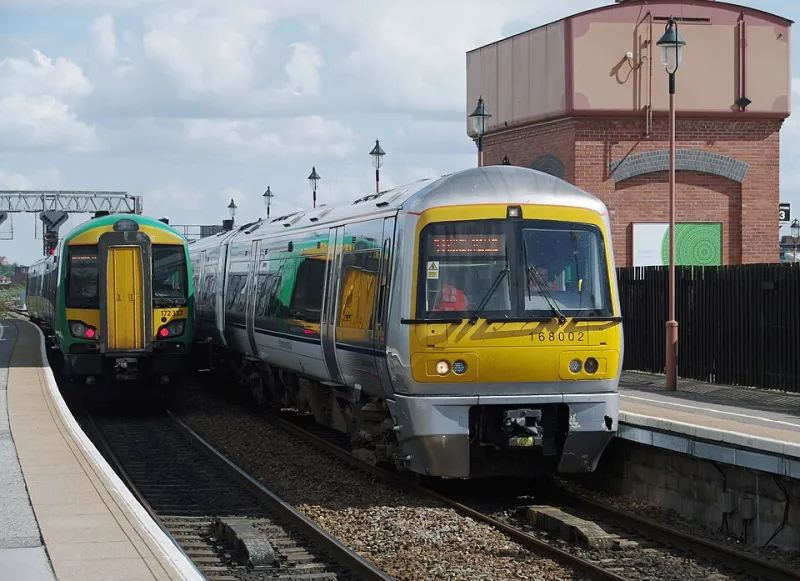
Photo: mattbuck (category), CC BY-SA 4.0, via Wikimedia Commons
Most city-break advice treats the main station as the front door. You arrive, you queue, you drag a case past the same three coffee chains, and you spend the first hour trying to remember why you came. But in several UK cities, the second or lesser-known station does something smarter: it puts you out in a real neighbourhood, close to a market, a river path or a Victorian platform that feels like the start of a trip rather than the end of a commute.
This is not about avoiding the big station for the sake of it. It is about choosing the stop that suits the first hour of a break. In 2026, with more people building city stays around rail, the side entrance is often the better entrance.
Birmingham Moor Street: the Victorian side door
New Street is the obvious arrival for Birmingham, but Moor Street is the one that sets a mood. The restored 1930s-style platforms, the old-fashioned signage and the short walk into the Bullring make it feel like you have slipped into the city through a stage set. Come out and head for St Martin’s Church, then follow the canal towpath towards Gas Street Basin. You can be beside the water in about ten minutes, with a coffee in hand before your hotel room is ready.
Ticket tip: Chiltern services from London Marylebone often land at Moor Street rather than New Street, and advance fares can be kind. If you are coming via New Street, either walk the 12 minutes or take a local hop. Either way, do not rush to check in. Moor Street rewards a slow first hour.
Manchester Victoria: cathedral, then coffee
Piccadilly gets the long-distance glory, but Victoria is the better first stop for the northern edge of the centre. Step out and you are moments from Manchester Cathedral, Chetham’s Library and the National Football Museum. From there, wander into the Northern Quarter for a flat white, then push on to Ancoats if you have time before check-in. It is a proper city arrival: old stone, new glass and a steady stream of locals going about their morning.
Ticket tip: many Northern and TransPennine services use Victoria, and the Metrolink stop is right there if you need to reach the other side of town. If your ticket says Manchester stations, check whether Victoria works for you; it often does, and it saves a tram fare.
Edinburgh Haymarket: the west end way in
Waverley is dramatic, but Haymarket is the quieter key to Edinburgh’s West End. It is also handy for the tram, which makes it a sensible arrival if your hotel is anywhere along the western corridor. Leave the station and walk towards Dean Village: the Water of Leith, the old mill buildings and the steep lanes give you a version of Edinburgh that feels removed from the festival crowds. It is about 15 minutes on foot, and it is a far better first impression than a taxi queue on Princes Street.
Ticket tip: plenty of ScotRail and LNER services stop at Haymarket, and tickets to Edinburgh often price the same. If you are heading for Murrayfield, the West End or a hotel near the tram line, Haymarket is the smarter alighting point.
Cardiff Queen Street: arcades before check-in
Cardiff Central is the main event, but Queen Street puts you closer to the castle, the shopping streets and the city’s famous arcades. Arrive here and you can walk to Cardiff Castle in a few minutes, then duck through the Morgan Arcade or Castle Arcade for a proper look at the city’s covered streets. It is a good arrival for a short break because you are already in the middle of things, with no need to orient yourself around the bus station.
Ticket tip: Queen Street is served by Valleys lines and local services. If you are coming from London, you will usually arrive at Central, but a short local train or a 15-minute walk will get you to the same place. If your hotel is near the castle or the arcades, build Queen Street into your plan.
Exeter Central: uphill, then down to the quay
Exeter St Davids is the big intercity stop, but Exeter Central is the one that drops you into the city centre. It sits above the shops, close to the cathedral, and the walk down into the centre is short and steep in the best way. Start with the cathedral green, then head for Exeter Quay along the river. The first hour here is all about easing from station to stone streets to water, with no need for a bus.
Ticket tip: South Western Railway services from Waterloo can put you into Central, while Great Western services from Paddington tend to use St Davids. If you land at St Davids, a local train or a 20-minute walk will bring you up to Central. For a city-centre stay, it is worth checking which station your ticket actually uses.
Bristol Clifton Down: the neighbourhood arrival
Bristol Temple Meads is the grand main station, but Clifton Down is the one that feels like a local secret. It is on the Severn Beach line, and it puts you within walking distance of Clifton Village, the Suspension Bridge and the Downs. Arrive here and you can walk to the bridge in about 20 minutes, with independent shops and cafes along the way. It is a slower, greener start to Bristol than the taxi rank outside Temple Meads.
Ticket tip: Clifton Down is a small station, so check the timetable carefully. Buy a ticket to Clifton Down rather than Temple Meads if that is where you are staying. The Severn Beach line is a useful little route, and the walk from the station into Clifton is part of the appeal.
The first hour rule
The pattern is simple: choose the station that matches the first hour you want, not the one with the biggest concourse. A side entrance gives you a neighbourhood, a path or a market instead of a rank of taxis. In 2026, that is worth planning for. Check your ticket’s actual destination station, look at the walk to your hotel, and give yourself permission to arrive slowly. The main station will still be there when you leave.