Clock Off, Train Out: Why Friday Evening Is the Smart Start to a UK City Break
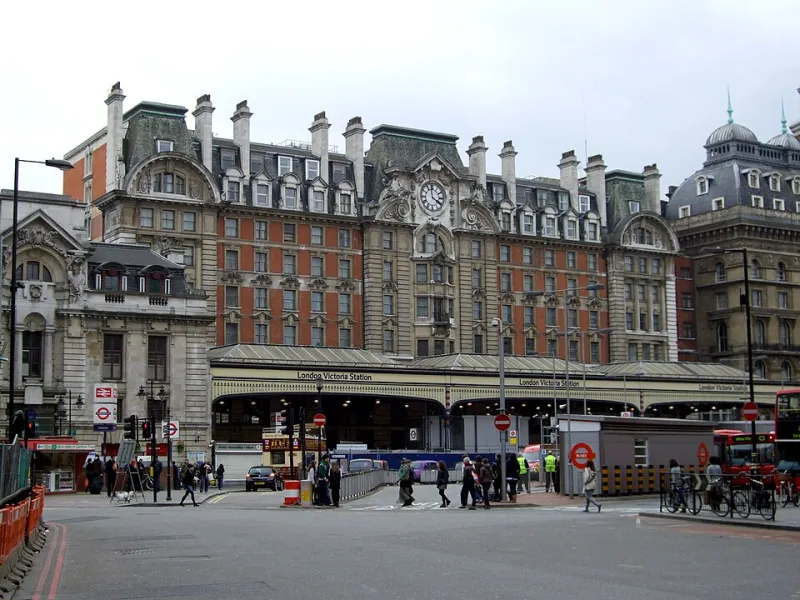
Photo: Ewan Munro from London, UK, CC BY-SA 2.0, via Wikimedia Commons
There is a particular kind of Saturday morning city break that starts with an alarm, a rushed coffee and a train full of people doing exactly the same thing. By the time you reach your hotel, dump the bag and find lunch, the day has already been nibbled down to an afternoon. It is not a disaster, but it is not clever either.
The smarter move, more often than not, is to leave on Friday evening. Not at 4pm, when the office is still pretending to work and the railways are heaving. Not at 8pm, when you are too tired to enjoy anything. Somewhere in the middle: clock off, go home, repack light, and catch a train that gets you into the city with enough time for a first-night wander.
That is the trick. Two nights away become almost three usable days of trip, and the weekend starts while everyone else is still deciding whether to put the washing on.
The Saturday-morning tax
A Saturday departure is not just a later start. It is a tax on your weekend. You pay it in alarm clocks, in station queues, in the strange limbo between checkout time and the first thing you actually want to do.
Friday evening travel has its own costs, of course. You are tired. You may be paying a little more for the first night. You may have to eat at an hour that feels either early or late, depending on your habits. But the payoff is real: you wake up on Saturday already there. No rucksack shuffle through a concourse at 9am. No wrestling with a luggage rack while a stranger sighs behind you. Just a city, a coffee and a whole day ahead.
Pick a city that respects your Friday
The first rule is simple: do not pick a city that requires a heroic journey. A Friday-night train should feel like a gentle extension of the working week, not a endurance event. Think under two and a half hours from your home station, with a direct service if you can get one.
From London, that might mean Bristol, Birmingham, Norwich or Sheffield. From Manchester, Leeds, Liverpool or Sheffield open up easily. From Glasgow, Edinburgh is almost too obvious, but it works. The point is not the specific city. It is the shape of the journey: one train, one bag, no mad dash across a platform at Crewe because the connection was always going to be tight.
Check the last sensible direct train before you book anything. A 21:30 departure that gets you in at 23:15 is fine. A 22:47 with a rail replacement bus and a 12-minute connection is not. Friday-night platforms are not the place for optimism.
Beat the fare trap without eating at the station
Friday evening sits in an awkward spot for rail fares. The earliest after-work trains are often busy and expensive. Later ones can be cheaper, but you need to balance the saving against arriving too late to do anything except check in and stare at the kettle.
Look at Advance fares as soon as they are released, but do not assume they are always the answer. Sometimes an Off-Peak or Super Off-Peak ticket gives you more flexibility for a similar price, especially if your finish time is unpredictable. Railcards help, obviously. Split ticketing can help too, though it is worth checking that your split does not leave you standing in a cold interchange for 40 minutes.
The other trap is station food. A £9 sandwich eaten under fluorescent lights is not a holiday meal. If you are arriving late, eat near your destination rather than at the station. Look at the streets a block or two back from the concourse, where the estate agents and kebab shops give way to actual neighbourhood restaurants. A bowl of noodles or a decent pizza at 9pm is a far better welcome than a meal deal on a platform bench.
Check the rails before you book the room
Engineering works are the great spoiler of the Friday-night plan. A line that is perfectly behaved on a Tuesday can turn into a bus replacement service on a Friday in November. Before you book a hotel, check National Rail Enquiries and the operator’s own website for planned works. If the journey involves a replacement bus, ask yourself whether you still want to do it in the dark with a weekend bag.
It is also worth checking whether your city has a big event on. A football match, a concert or a university open day can push hotel prices up and fill the trains. That does not mean avoid the city. It means book early, or pick another weekend.
Make the first night count
The beauty of Friday travel is not the journey. It is the hour after you arrive. Drop the bag, leave the unpacking, and go for a short walk. Not a mission. Not a full itinerary. Just enough to remind yourself that you are somewhere else.
Find a pub with the lights on. Get a late coffee. Walk past the cathedral or the market square or the bit of waterfront that looks better at night. You do not need to do anything impressive. The point is to break the seal on the weekend before Saturday morning arrives.
That first wander also does practical work. You clock where the breakfast places are, which street feels right for dinner, and how long it takes to walk back to the hotel. By Saturday, you are not a tourist staring at a map. You are a person who knows roughly where they are going.
The two-night, three-day maths
Book Friday and Saturday night, and Sunday becomes a real day rather than a packing-and-panic day. You get Saturday in full. You get Sunday morning without the dread of an early checkout. You get Friday evening, which is not a full day but is certainly not nothing.
That is the argument in a nutshell. A Saturday-morning start gives you two nights and one and a half usable days. A Friday-evening start gives you two nights and nearly three. Same hotel, same annual leave, different trip.
A simple Friday checklist
- Choose a city with a direct train under about two and a half hours.
- Book the train first, then the hotel, so you are not stuck with a room you cannot reach.
- Check for engineering works and big local events before committing.
- Pack one small bag you can lift above your head without drama.
- Eat near your destination, not on the platform.
- Plan nothing for the first hour except a walk and a drink.
None of this is complicated. It is just a slightly different rhythm. Leave after work, arrive before midnight, and let Friday night do the quiet work of turning a weekend break into something that feels a little longer than it should.