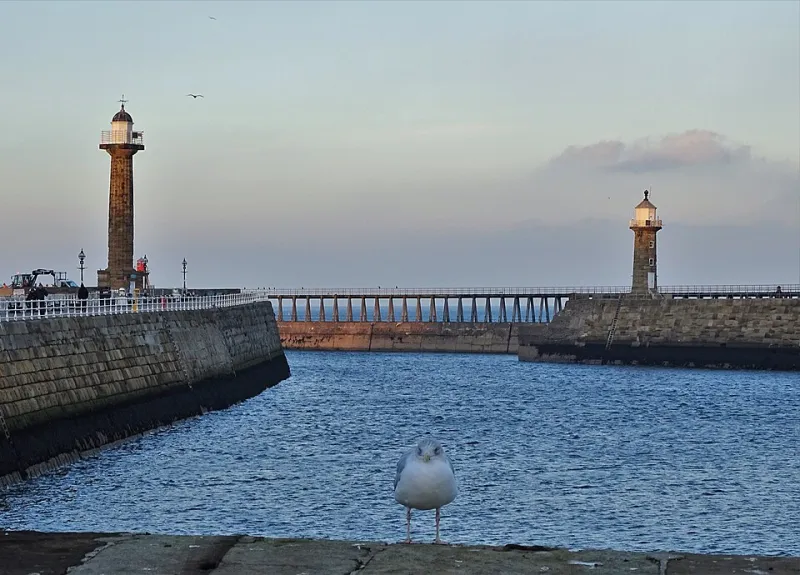
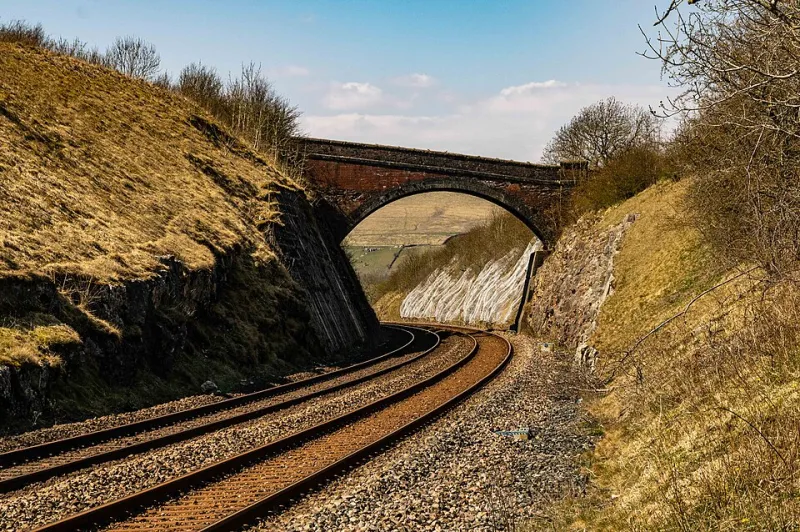
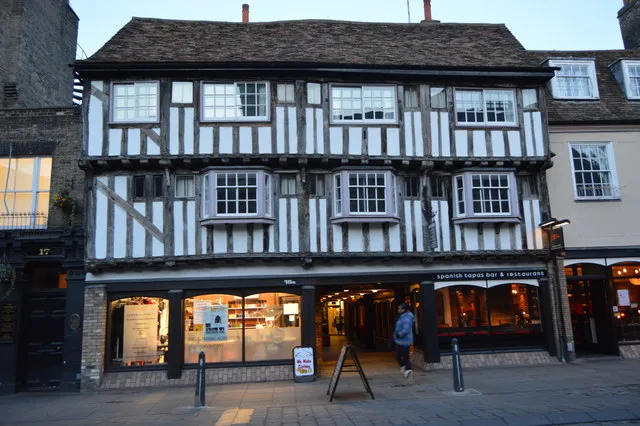
Rucksack, Timetable, No Car: Five UK Island Hops for Foot Passengers
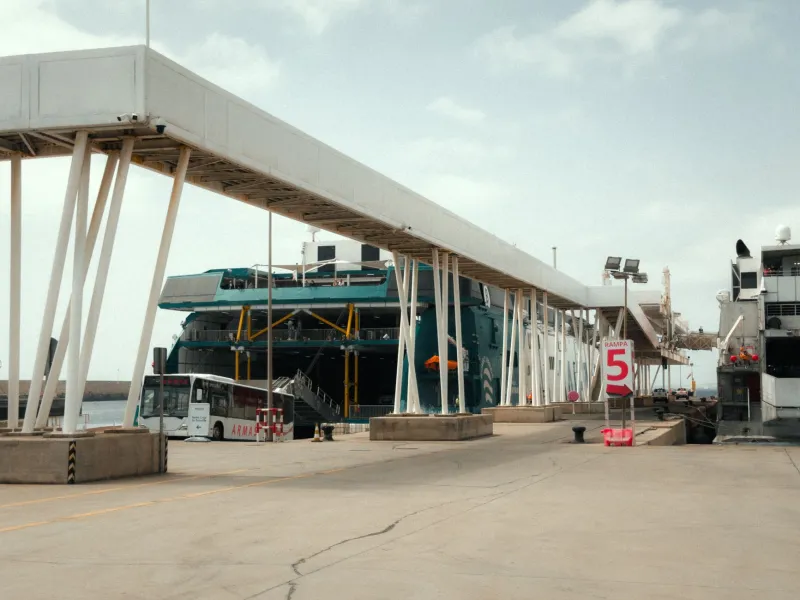
There is a particular pleasure in arriving on an island on foot. You step off the ferry with a rucksack, no parking worries and no temptation to drive past the bits that make the place interesting. Instead you walk, wait for a bus, chat to someone on the pier and let the timetable set the pace. It is slower, sociable and often cheaper than hauling a car across on a ferry. These five UK island hops are all doable without a car, though each comes with its own timetable quirks and ticket quirks. Treat the ferry as part of the trip rather than a necessary evil and the whole thing becomes much more fun.
Isle of Wight: train to Portsmouth, catamaran to Ryde
The Isle of Wight is the easy introduction to car-free island hopping. Take the train to Portsmouth Harbour, walk the short covered link to the Wightlink catamaran terminal and cross to Ryde Pier Head in around 20 minutes. From there the Island Line train runs along the eastern coast, and local buses fan out across the island. Foot-passenger returns are typically in the £20-£30 range depending on timing and ticket type, and the train to Portsmouth is straightforward from London, Brighton and Southampton. The main trap is assuming the last ferry is late: it is not, especially on Sundays. Check the timetable before you commit to a long walk, and buy a through ticket if it saves faffing at the port.
Isles of Scilly: train to Penzance, ferry to St Mary's
The Scillonian III is one of Britain's great ferry journeys, even if the sea does not always cooperate. Take the train to Penzance, walk to the harbour and settle in for roughly two and a half hours to St Mary's. Foot-passenger returns are usually around £50-£70, and the crossing is weather-dependent, so build a buffer into your plans. Luggage is limited compared with a car ferry, which is no bad thing: one rucksack forces sensible packing. On the islands, inter-island boats and local buses cover the main routes, but timetables tighten in shoulder season. If you are prone to seasickness, pick a calm day and sit outside. The reward is empty beaches, clear water and a pace that makes the mainland feel very far away.
Isle of Man: Liverpool or Heysham by foot
The Isle of Man is often overlooked by British travellers, which is part of its appeal. Foot passengers can join the Steam Packet from Liverpool or Heysham, with the Liverpool route putting you in the middle of the city before you even board. Fares vary by season and route, but foot-passenger returns are often in the £40-£60 bracket if you book ahead. The island has a proper transport network of buses and heritage railways, so a car is not essential. The timetable pitfall here is check-in: foot passengers still need to arrive with time to spare, and crossings can be affected by weather. Book accommodation near the promenade in Douglas and you can walk off the ferry and straight into a pint.
Scottish islands: Arran or Mull by train and ferry
Scotland makes car-free island hopping feel like a civic duty. For Arran, take the train to Ardrossan Harbour, walk onto the CalMac ferry to Brodick and use the island buses to reach the coast and villages. Foot-passenger returns are usually under £10, which makes it one of the best-value island hops in the UK. For Mull, take the train to Oban, walk to the ferry terminal and cross to Craignure, then use local buses to explore. The main pitfalls are rail connections and Sunday services: ferries and trains do not always align neatly, and a missed connection can mean a long wait. Check both timetables together, not separately, and keep your plans flexible.
Anglesey and Holyhead: rail over the bridge, ferry optional
Anglesey is not a ferry hop in the traditional sense, because the train runs straight over the Britannia Bridge. That makes it a brilliant car-free island break: head to Holyhead, use local buses to reach beaches and coastal paths, and enjoy the strange satisfaction of arriving on an island by rail. If you want to add a ferry, Holyhead has foot-passenger crossings to Dublin, which turns the trip into a two-country adventure rather than a simple island hop. Fares and timetables vary, so book ahead and allow plenty of time for ferry check-in. The island itself rewards slow travel: wide skies, quiet lanes and a coastline that feels made for walking.
Luggage-light rules and timetable pitfalls
One rucksack is the sweet spot. You need waterproofs, comfortable shoes, a warm layer and a refillable bottle; you do not need a wheelie case for a two-night island break. Book foot-passenger tickets in advance where possible, especially in summer, and check whether a return is cheaper than two singles. Read the bus timetable before you arrive, not on the day, and remember that Sunday services can be thin or non-existent on smaller islands. Weather can cancel ferries, so keep a buffer day if you are connecting to a train home. Finally, embrace the waiting: a pier, a flask and a bit of sea air are part of the experience.