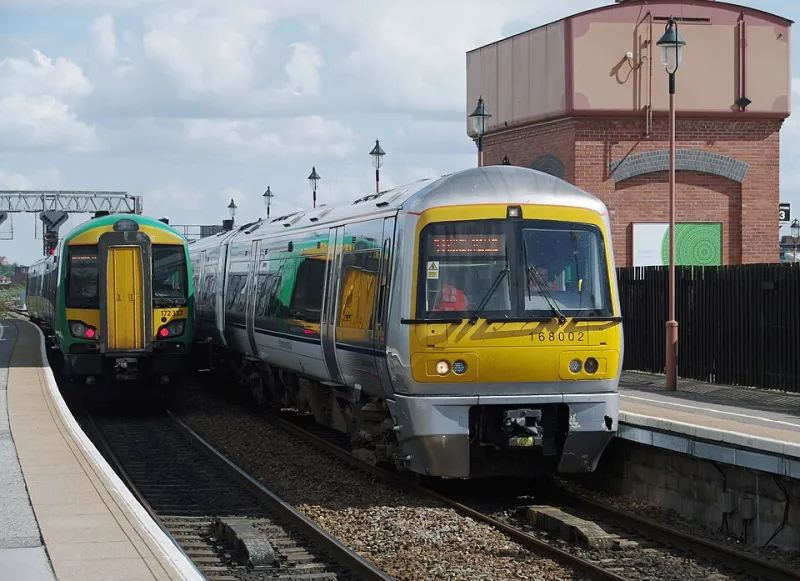
The Two-Minute Fix: Six Staffed Ticket Offices Worth Queueing For
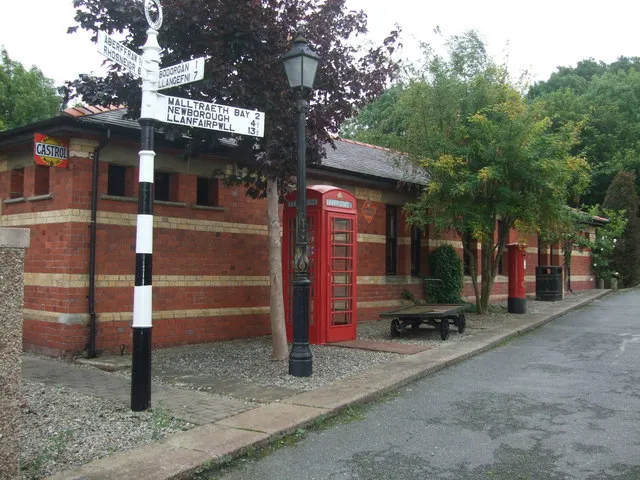
Photo: Richard Hoare, CC BY-SA 2.0, via Wikimedia Commons
Apps are good at selling you the ticket you already know you want. They are less good at telling you that a split ticket saves a tenner, that the 09:04 is cheaper than the 08:56, or that the bus from the station stops running at four. That is where a staffed ticket office still earns its keep.
What a ticket office can do that a screen cannot
A good clerk can join up the dots: railcard validity, off-peak rules, group discounts, PlusBus add-ons, seat reservations, and the local bus that actually connects with your train. They can also flag disruption, lift closures and platform changes. They cannot magic seats out of thin air, and not every office is staffed all day. Check hours before you build a plan around one.
How to use the window well
Go mid-morning if you can — the 07:30–09:00 and 17:00–18:30 rush is for commuters, not questions. Have your dates, times and railcards ready. Ask open questions: 'Is there a cheaper route?' 'Does this ticket allow a break of journey?' 'Which bus goes to the museum?' If you need accessibility help, ask at the window and also book Passenger Assist; the office can point you to the right platform and the help point. And be polite — the queue is not the clerk's fault.
Six staffed stations worth a conversation
Carlisle
Carlisle is a proper junction station, and the ticket office is used to people stitching together routes across the border. Ask about split tickets to Scotland, off-peak validity and the best platform for a tight connection. The office is a good place to check whether your onward train is running and whether the local bus is still an option.
Norwich
Norwich is a railhead for a wide chunk of East Anglia. The staff here can help with Anglia Plus rangers, rover tickets and the bus links into the Broads. If you are weighing up a day trip versus an overnight, ask about the last train back and the price of a return — the answer may surprise you.
Exeter St Davids
Exeter St Davids is a gateway to Devon and Cornwall, and the ticket office is a useful sanity check before you commit to a branch line. Ask about the Riviera Line, off-peak returns and whether a Devon Day Ranger makes sense. The station has lifts and a busy footbridge; staff can point you to the step-free route.
Lancaster
Lancaster sits on the West Coast Main Line but feels like a local station. The office can help with Lakes connections, split fares and the bus up to the university or the castle. If you are heading for a walk, ask about the nearest bus stop and whether a PlusBus add-on is worth it.
Inverness
Inverness is the end of the line and the start of several. The ticket office is the place to ask about Kyle of Lochalsh, Thurso and the slower scenic routes. Staff can flag which services need reservations and which buses meet the train. In winter, ask about disruption before you set out.
Salisbury
Salisbury is a compact station with a useful ticket office for anyone heading to Stonehenge or the cathedral. Ask about bus links, day returns and whether a Salisbury PlusBus ticket covers the park-and-ride. The office can also tell you which platform is step-free and where the assistance point is.
The limits of the window
A ticket office is not a concierge. It cannot book your table, store your bag all day or guarantee a seat on a train that is already full. It may not be open when you want it. But a two-minute conversation can save a wrong turn, a wasted ticket or a stressful connection. Use the app for the transaction; use the human for the plan.