Flask in Hand, Nowhere to Be: Six UK Rail Lines That Are the Day Out
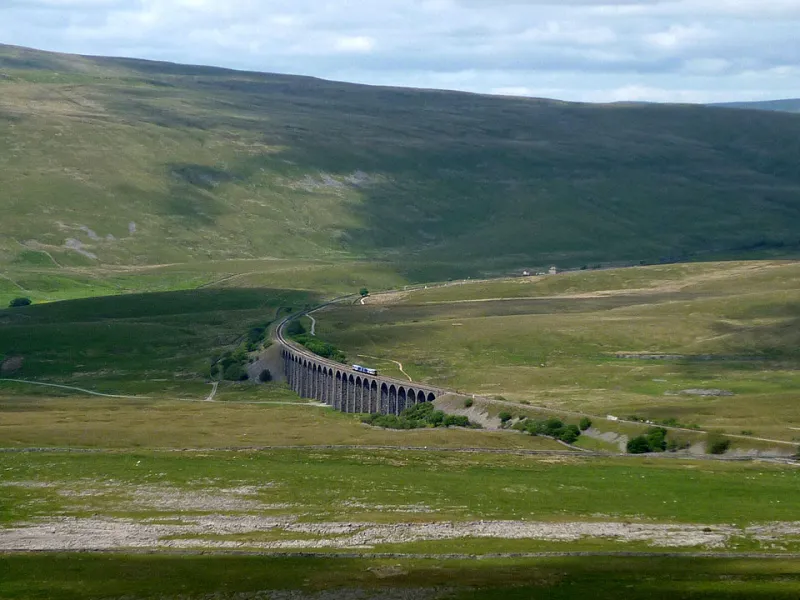
Photo: Karl and Ali , CC BY-SA 2.0, via Wikimedia Commons
Most UK rail trips start with a destination and work backwards. This one starts with a window. In 2026, with an off-peak ticket, a railcard and a flask that still fits under the seat, you can treat a line as the day out rather than the bit between home and somewhere better. The six routes below all reward the ride itself. None needs a car at either end. The trick is matching the line to the daylight, claiming the right window and leaving room for a stop that is not just a platform vending machine.
Settle & Carlisle: fells, viaducts and a proper flask stop
The Settle & Carlisle is the obvious one, but obvious does not mean overrated. From Leeds or Skipton you climb into limestone country, cross the Ribblehead Viaduct and keep going over the roof of England to Carlisle. Northbound, aim for the left-hand window as you approach Ribblehead; southbound, swap sides. If you want to break the trip, Appleby is the easy win for a wander and a pub lunch, while Ribblehead station gives you a bracing leg-stretch near the viaduct if the weather is behaving.
Tickets are straightforward: Northern runs the line, and off-peak returns plus a railcard usually beat a flexible day return for a simple out-and-back. Build the day around a mid-morning departure and an early afternoon return in winter, when the light goes before you have finished your second coffee. In summer you can stretch to a later return, but check engineering works before you commit.
Cambrian Coast: estuary, bridge and castle views
The Cambrian Coast line from Shrewsbury and Machynlleth to Pwllheli is the sort of route that makes a mockery of the phrase 'just a train'. The Dyfi estuary, the Barmouth Bridge and the constant back-and-forth of sea and hills keep the window busy. Sit on the seaward side where you can, and ask the guard which way to face if the train reverses; they know the line better than any seat map.
Barmouth is the natural break for sand, chips and a look at the bridge. Harlech gives you the castle and a steep little town that feels miles from the timetable. The whole route is long, so do not try to cram every stop into one day. Pick one break, ride the rest, and let the line do the work. Transport for Wales off-peak returns are the simple option; if you plan to hop on and off, ask at the ticket office about the best day ticket for the section you are actually using.
Kyle Line: lochs, deer and a proper sense of scale
Inverness to Kyle of Lochalsh is not a commute; it is a slow reveal. The train leaves the Moray Firth behind, climbs through strath and moor, and then drops towards the water in a way that makes the window seat feel undersold. Try for the loch side and do not be shy about asking the train manager which window is best for the section you care about most. On a line this twisty, local knowledge beats guesswork.
Break at Achnasheen for a short walk and a very quiet station, or stay on to Kyle for the harbour and the view across to Skye. ScotRail Advance fares can be excellent if you are fixed, but the flexible off-peak return is the better friend if you want to linger. In winter, check daylight carefully: the line is beautiful in low sun, but you do not want to be peering into darkness for the best bits.
Heart of Wales: the slow route that earns its name
Shrewsbury to Swansea via Llandrindod Wells and Llandovery is a proper dawdle in the best sense. The Heart of Wales Line takes its time through hills, viaducts and small towns, and the timetable is part of the charm. Sit on the right heading south for the Tywi valley stretches if you can, though there is no genuinely bad side. Break at Llandrindod Wells for a Victorian spa-town potter or Llandovery for a market town pause and a decent sandwich.
Transport for Wales runs the service, and the Heart of Wales Line Ranger is worth asking about if you want to hop on and off rather than commit to one return. The whole route is a long day, so consider riding a section rather than the full length. A Shrewsbury to Llandovery out-and-back, with a lunch stop, is a more sensible day than trying to tick off Swansea just to say you did.
Cumbrian Coast: sea air from a Northern seat
Carlisle to Barrow-in-Furness is the underrated one. The line hugs the Cumbrian coast, passes through working towns and empties out into dunes and sea light. Southbound, aim for the right-hand side for the best sea views; northbound, reverse it. St Bees is the break for a beach walk and the start of the Coast to Coast path, while Ravenglass is a tiny stop with a big sense of occasion and the La'al Ratty narrow-gauge railway nearby if timings align.
Northern off-peak returns are the sensible buy, and a railcard makes a difference on what is already a reasonably priced day out. Do not try to do the whole coast and a long walk in one winter day. Pick a stop, ride the scenic middle section, and leave the rest for another trip. The line is better as a slow half-day than a box-ticking marathon.
Riviera Line: the sea wall does not need a summer day
Exeter St Davids to Newton Abbot via Dawlish is short, familiar and still one of the best value window rides in Britain. The train runs along the Exe, then the sea wall, with red cliffs on one side and open water on the other. Heading south, sit on the right for the sea; heading north, swap. Dawlish and Teignmouth are both easy breaks for a promenade walk and a coffee, and neither requires a car or a plan.
GWR runs the route, and an off-peak return from Exeter is the simplest ticket. Check the weather and tide before you go; stormy days are dramatic but can mean closures or bustitutions. In November the light is short, so aim for the middle of the day rather than a late-afternoon ride. It is a line that works in drizzle, but it works best when you can actually see the water.
Before you board
A few habits make these days better. Book Advance fares only when you are certain of your train; otherwise an off-peak return keeps the day flexible. Check Real Time Trains or the operator app on the morning for cancellations and engineering work. Carry a flask, a decent layer and a charged phone, and remember that a station stop is only useful if the next train is not two hours away. The best scenic rail day is not the one with the most miles; it is the one where you get off once, walk a bit, and still make the return train without running.